



Background
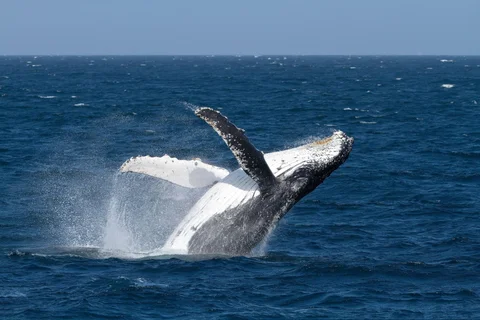
Ningaloo Reef is one of Australia’s most biologically rich marine ecosystems. The reef and surrounding coastline support humpback whales, manta rays, dugongs, turtles and vast numbers of marine species. The coast is also internationally important for migratory birds such as bar-tailed godwits, which travel from Siberia to feed along the tidal flats. Its connected marine and coastal ecosystems make Ningaloo one of the most ecologically significant places in Australia.
The Campaign
Following major momentum from Western Australia’s forest campaigns, the Wilderness Society helped redirect public attention toward a proposed resort development at Ningaloo. Developers proposed a 2,500-person marina resort that campaigners feared would permanently damage the fragile reef ecosystem. The Wilderness Society and the Australian Marine Conservation Society pushed for UNESCO World Heritage recognition and organised a major public mobilisation across Western Australia. The campaign culminated in December 2002 when 15,000 people marched through Fremantle calling for the reef to be protected. The campaign became a defining public debate about whether Ningaloo would become a heavily developed tourist destination or remain a protected natural ecosystem. People power prevailed. In July 2003, Premier Geoff Gallop announced the resort development would not proceed. Further major gains followed. By 2010, protected sanctuary zones increased significantly, and in 2011 UNESCO listed approximately 705,000 hectares of Ningaloo’s oceans and coastlines as World Heritage.
Ongoing Threats
Despite the World Heritage listing, threats to Ningaloo have continued. Large oil and gas reserves beneath surrounding waters have kept the region under pressure from fossil fuel expansion proposals. In 2020, more than 12,000 people joined the Wilderness Society in opposing new oil and gas exploration releases near Ningaloo Reef and Shark Bay. Following strong public opposition, the Federal Government withdrew the proposed release areas.
Legacy
The Ningaloo campaign became one of Australia’s most powerful examples of large-scale community mobilisation successfully defending a globally significant ecosystem. It also reinforced the growing public expectation that Australia’s most iconic marine environments should be permanently protected from destructive industrial development.
“Today, we have drawn a line in the sand and declared that we will not accept developments that threaten this precious and fragile coast.” — Former WA Premier Geoff Gallop, 4 July 2003 “The Ningaloo Reef…is a one-off. We go there for what it is already. […] The reef is an Australian icon.”—Tim Winton, 25 September 2001, Wilderness News, Issue June 2002, pg. 19