



A Remote Alpine Forest
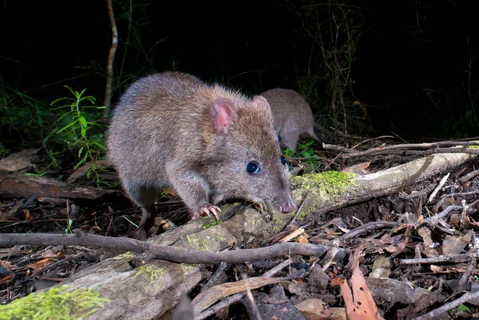
The Wongungarra Valley is a rugged and relatively inaccessible landscape covering around 20,000 hectares in Victoria’s alpine region. The valley contains significant stands of old-growth alpine ash forest and provides habitat for threatened species including the critically endangered spotted tree frog and the long-footed potoroo. In the Brabralung/Daungwurrung dialect of the Gunai language, the Wongungarra River is known as Gwannam-o-rook, meaning “eaglehawk”.
The Forest Wars
During the late 1990s, conflict intensified between conservationists and the Victorian Kennett Government and Howard Federal Government over the future of old-growth forests. Regional Forest Agreements (RFAs) were being developed across the country to formalise logging arrangements in native forests. In 1993, the Victorian Government imposed a moratorium on logging in the Wongungarra area. However, the moratorium was lifted in 1996 and logging proposals returned the following year.
The Campaign
In 1999, the Kennett and Howard Governments signed a Regional Forest Agreement allowing continued logging in many forests across Victoria. In response, campaigners launched the “Don’t Log the Frog” campaign focused on protecting habitat for the spotted tree frog in the Wongungarra Valley. The campaign used public protest and direct public awareness actions to build opposition to logging in the area. Following sustained campaigning, Wongungarra was added to the Alpine National Park, protecting the valley from logging.
Legacy
The Wongungarra campaign became one of the memorable grassroots campaigns of Victoria’s forest movement during the 1990s. It also highlighted how threatened species campaigns could become focal points for broader forest protection efforts. As forest campaigner Luke Chamberlain later recalled:
“Shivering on the pedestrian bridge over the Eastern Freeway at 6am on a freezing cold morning. The giant ‘Don’t Log the Frog’ banner unravelled below, far above the traffic. Richard Hughes and I looked at each other and laughed. We talked openly with each other, just the two of us, of why we were here, doing what we were doing. Wongungarra got saved from the chainsaws.”