



A Fragmented Woodland Ecosystem
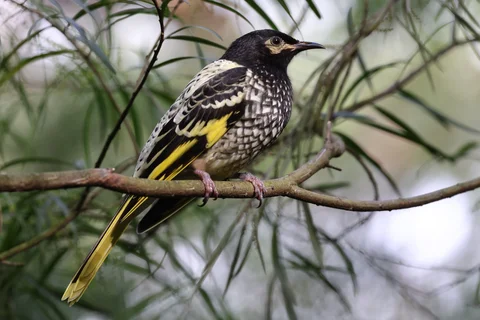
The box-ironbark forests and woodlands of Victoria are dominated by box and ironbark eucalypts, with an understory of wattles, grevilleas, hakeas, grasses and flowering plants. The nectar-rich woodlands support diverse wildlife including birds, mammals, reptiles and insects. Following widespread clearing during the Victorian gold rush, only around 17% of the original ecosystem remains. Approximately 350 threatened plant and animal species depend on the remaining woodlands, including the Regent honeyeater, Swift parrot, squirrel glider, scented bush pea and maroon spider orchid.
The Investigation
In April 1996, the Victorian Government directed the Land Conservation Council (LCC) to undertake a special investigation into the remaining box-ironbark forests and woodlands of northern Victoria. The process later shifted under the newly created Environment Conservation Council (ECC) after the Environment Conservation Council Act 1997 replaced the Land Conservation Act 1970. In December 1997, the Minister formally requested the ECC investigate Victoria’s remaining box-ironbark ecosystems. The investigation generated significant public interest. More than 2,000 submissions and letters were received during the reporting process, while a further 1,500 submissions responded to the draft report released in May 2000. The final report was delivered to the Victorian Government in June 2001.
The Campaign
The Wilderness Society worked alongside conservation organisations and local communities to campaign for stronger protection of the remaining woodlands. Campaigners used lobbying, grassroots organising and media advocacy to push for the creation of new protected areas across the region. The campaign contributed to the creation and expansion of several national and state parks, including Heathcote-Graytown National Park and Warby-Ovens National Park. These protections secured significant areas of remaining box-ironbark habitat.
Legacy
The Box-Ironbark campaign highlighted the ecological importance of woodland ecosystems that had already suffered extensive clearing and fragmentation. It also reinforced the role of public consultation, scientific investigation and community advocacy in protecting endangered ecosystems across Victoria. Conservation and restoration work in the region continues today, including habitat restoration, invasive species management and community efforts to support the long-term health of the remaining woodlands.