



Background
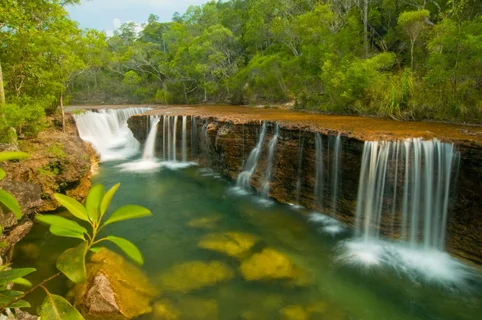
Cape York Peninsula is an immense and diverse wilderness landscape covering an area roughly twice the size of Tasmania. The region contains one-fifth of Australia’s forests, around 60% of the country’s butterfly species and approximately one-third of Australia’s mammals. Its ecosystems range from tropical rainforests and freshwater wetlands to mangroves, savannah woodlands, mountain ranges and extensive coastlines. The ecological and cultural significance of the Cape has made it one of Australia’s most important conservation landscapes.
The Campaign
The campaign for Cape York protection unfolded over decades and included numerous connected struggles across the region. A major turning point came in March 1993 when Wilderness Society supporters alerted campaigners to a Wall Street Journal advertisement promoting an $18 million “development opportunity” in the Starcke wilderness north of Cooktown. The area included rainforests, mangroves and freshwater wetlands. The Wilderness Society quickly mobilised—alerting local Aboriginal communities, organising flyovers and generating national media attention. Between March and September 1993, public pressure rapidly intensified. The campaign culminated in an announcement by Premier Wayne Goss that the land would be resumed by the Queensland Government. Campaigners argued that long-term protection should include Traditional Custodians playing a central role in managing Country. Over the following two decades, this vision gradually became reality, with more than 3.4 million hectares returned to Traditional Custodians by 2016. The broader Cape York campaign involved collaboration between the Wilderness Society, local Aboriginal groups, the Australian Conservation Foundation, the Cape York Land Council, cattle industry representatives and other community alliances. The long-term goal remained securing lasting protection for Cape York’s globally significant wilderness values while supporting sustainable futures for local communities.