



Background
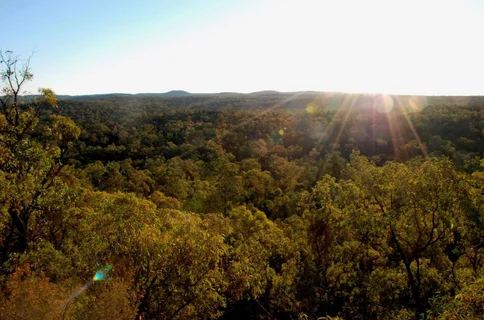
The Pilliga is a highly biodiverse forest ecosystem and one of the last remaining large forested areas of its kind in inland New South Wales. The forest supports around 900 plant species and more than 100 animal species, including the endemic Pilliga mouse. Beneath the forest lies extensive natural gas reserves targeted for coal seam gas extraction. Campaigners have raised concerns that large-scale fracking and gas extraction would industrialise vast areas of the forest and place major pressure on groundwater and freshwater systems.
The Campaign
Following Santos’ acquisition of Eastern Star Gas in 2011, opposition to the Narrabri Gas Project rapidly intensified. The proposal would involve up to 850 coal seam gas wells spread across approximately 95,000 hectares of forest. Community opposition became one of the defining features of the campaign. Surveys conducted across surrounding regions found overwhelming opposition to coal seam gas development, with many local landowners, farmers and residents rejecting the project. The Wilderness Society worked alongside local communities, Gamilaraay/Gomeroi people, farmers and campaign groups to build public pressure against the project. Campaign activities included information sessions, film screenings of Pilliga Rising, meetings with MPs, community organising and public advocacy directed at decision-makers. The campaign also supported the creation of the Pilliga Ultra marathon alongside For Wild Places, using the event to raise awareness and funds to help protect the forest. Despite major opposition, the Independent Planning Commission granted conditional approval to the Narrabri Gas Project in 2020. The campaign continues, with opponents arguing that protecting the Pilliga is critical for biodiversity, freshwater security and a liveable climate.
Legacy
The Pilliga campaign has become one of Australia’s most significant contemporary anti-fracking and fossil fuel campaigns. It has united Traditional Owners, farmers, regional communities and environmental organisations in a long-running effort to protect one of New South Wales’ last great inland forests.
“The policy settings aren’t right to stop these kinds of projects, and then they’re exploited by the companies who know how to do that. And they’re backed up by these processes that aren’t independent, by these people who aren’t independent, who make the decisions… The system is broken.” — Sally Hunter, community member and farmer