



A Sacred and Ecologically Significant Landscape
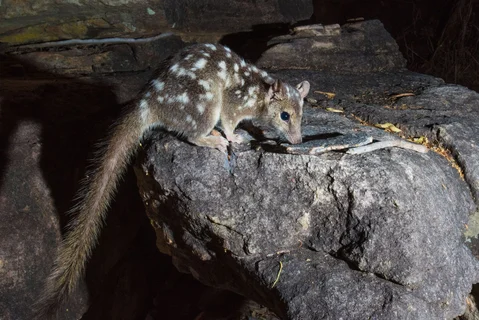
Jabiluka sits adjacent to Kakadu National Park but within the traditional heartlands of the Mirrar people. The area is rich in uranium deposits, but it is also deeply connected to Mirrar culture, sacred sites and Country. The proposed mine site was located only 300 metres from Ubirr Rock, an internationally significant rock art site containing artwork thousands of years old. Campaigners also warned that if the mine proceeded, around 20 million tonnes of radioactive waste would be stored approximately 500 metres from the Ramsar-listed Djarr Djarr wetlands. The broader Kakadu region contains extraordinary biodiversity, including almost 300 bird species, around 2,000 plant species and roughly one-fifth of all Australian mammal species.
The Origins of the Conflict
In 1969, one of the world’s largest uranium deposits was discovered at Jabiluka. During the development of Kakadu National Park, areas containing uranium deposits—including Jabiluka—were excluded from proposed protected areas. In 1980, Pancontinental, which was partly government owned, removed the Mirrar people’s right to veto mining and moved to commence development. Following the election of the Bob Hawke Government in 1983, mining at Jabiluka was suspended indefinitely. In 1995, the Gundjeihmi Aboriginal Corporation was established to represent and advance the rights and interests of the Mirrar people.
The Campaign
In 1996, a major campaign to stop mining at Jabiluka began. Led by senior Mirrar elder Yvonne Margarula, the campaign rapidly became one of Australia’s most internationally recognised environmental and Indigenous rights movements. In 1997, Yvonne Margarula commenced Federal Court proceedings against the Jabiluka mine proposal. Then in 1998, more than 5,000 people participated in blockades at Jabiluka and approximately 500 arrests were made. The campaign extended far beyond Australia. The Wilderness Society, alongside groups including the Australian Conservation Foundation, Friends of the Earth and the Northern Territory Environment Centre, brought the issue to UNESCO World Heritage Committee meetings in Kyoto and Paris. UNESCO sent a special field mission to Kakadu to investigate the impacts of the proposed mine. The mission concluded that damage had already occurred to Kakadu’s cultural and environmental values and warned that mining would worsen those impacts. Despite the findings, lobbying by the Australian Government prevented Kakadu from being placed on the World Heritage in Danger list during a UNESCO meeting in Paris in 1999.
Protection Secured
In 2003, sustained pressure from the Mirrar people, environmental organisations and community campaigners led Energy Resources of Australia—majority owned by Rio Tinto—to enter into an agreement with the Mirrar people protecting Jabiluka from mining. The campaign effectively halted development at the site. Then in 2024, the Albanese Government agreed to revoke future mining leases over the Jabiluka area, permanently protecting the site and recognising the longstanding wishes of the Mirrar people to protect their land and culture.
Legacy
The Jabiluka campaign became one of Australia’s defining environmental and Indigenous rights campaigns. It demonstrated the power of Traditional Owner leadership, international advocacy and mass community mobilisation in confronting uranium mining and defending World Heritage landscapes. As the Mirrar people said in 1998:
“The Mirrar people have fought to protect our country and people from uranium mining for many years. Now we are defending our country against the proposed Jabiluka uranium mine. We invite you to come to our country to join our struggle to uphold the cultural and environmental values of Kakadu.” And as Wilderness Society corporate campaigner Leanne Minshull later reflected:
“While the decision does not mark the end of the struggle to save Kakadu, it does mark the beginning of the end.”