



An Island Unlike Anywhere Else
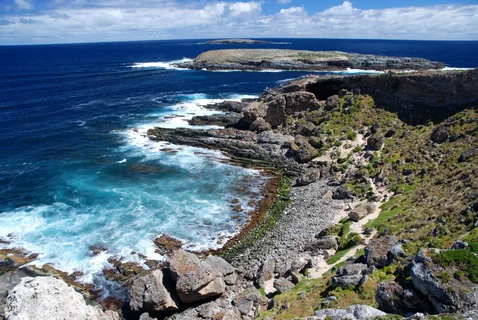
Kangaroo Island’s landscapes are dramatically different from those on the nearby mainland, despite being only around 15 kilometres offshore. The island contains rugged coastlines, towering cliffs, forests and isolated ecosystems shaped in part by different fire histories and thousands of years of human occupation. The cliffs of the Cape Torrens Wilderness Protection Area and Western River Wilderness Protection Areas rise more than 200 metres above the Southern Ocean. Archaeological evidence shows Aboriginal occupation on the island stretching back thousands of years, with the last known inhabitants disappearing more than 2,500 years ago. The island is also a refuge for wildlife that has disappeared elsewhere. Species including the Tammar wallaby—extinct on mainland Australia—continue to survive on Kangaroo Island. The island is also home to the endangered glossy black cockatoo, one of its most iconic and vulnerable species.
The Campaign
In 1988, the Wilderness Society South Australia launched a campaign to secure formal protection for large areas of Kangaroo Island under South Australia’s Wilderness Protection Act. Campaigners focused on protecting remaining habitat for threatened wildlife and preserving more than 80 kilometres of wild coastline. Throughout 1993, the Wilderness Society built public pressure by encouraging supporters to write directly to the South Australian Government and Premier calling for stronger protections. Letter-writing events and community organising became central parts of the campaign. Former South Australian Environment Minister Susan Lenehan also played an important role in securing the protections.
Protection Achieved
In December 1993, following years of campaigning, the South Australian Government proclaimed nearly 70,000 hectares of Kangaroo Island as protected wilderness area. The declaration secured long-term protection for important ecosystems, coastal landscapes and habitat for endangered species including the glossy black cockatoo.
Legacy
The Kangaroo Island campaign became one of South Australia’s major wilderness protection victories and helped preserve some of the island’s most ecologically important landscapes. It also reinforced the role grassroots campaigning and public pressure could play in securing large-scale conservation outcomes.