



The Fight to Save Lake Pedder
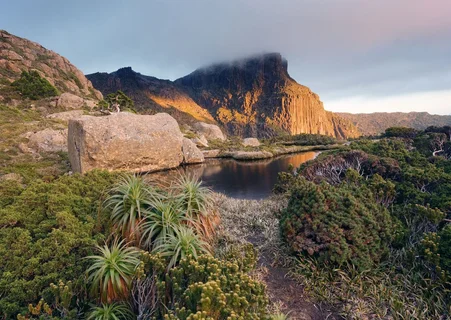
At the time, Australia had no large, organised environmental movement. No established wilderness campaigns. No blueprint for how ordinary people could fight back against industrial destruction on this scale. So people invented one. Campaigners wrote letters, lobbied politicians, organised protests, spoke to the media, and encouraged Australians to visit Lake Pedder and witness its beauty before it disappeared. Powerful photographs by Lithuanian-born adventurer and photographer Olegas Truchanas helped bring the wilderness into homes across the country—showing Australians what stood to be lost. Another key figure was conservationist Brenda Hean, who founded the world’s first green political party—the United Tasmania Group. She tirelessly campaigned to save the lake, meeting with politicians and rallying public support. In one of the campaign’s most haunting moments, Brenda Hean and pilot Max Price disappeared while flying from Hobart to Canberra in a Tiger Moth plane carrying a planned sky-written message to save Lake Pedder. The lake was ultimately flooded. But the campaign changed Australia forever.
A Lost Place
The flooding dramatically altered the natural landscape and pushed unique species toward extinction. The Lake Pedder earthworm—once found only in this area—has never been seen again and is now listed as extinct under the IUCN Red List of Threatened Species. The Lake Pedder galaxias, a fish found nowhere else on Earth, is now considered extinct in the wild after introduced trout devastated its habitat. What happened at Lake Pedder became a warning. A symbol of what can be lost when wilderness is treated as expendable.
Legacy
Lake Pedder is often described as the moment Australia’s modern environmental movement was born. The loss united conservationists across the country, focused national attention on Tasmania’s wild places, and laid the foundations for future campaigns—including the fight for the Franklin River. As The Examiner wrote in 1976:
“Lake Pedder was a catalyst. It brought the environmentalists together, focused national attention on the wild beauty of untouched regions, and created an area of protest that was wholly respectable and fashionable. […] Lake Pedder [is] a lost battle in a long war that will be won.”