



A Globally Significant Marine Environment
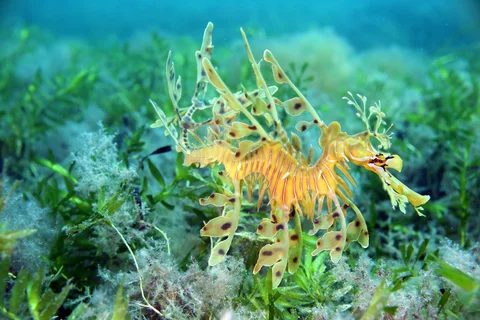
South Australia’s marine environments include towering cliffs, reefs, kelp forests, mangroves, seagrass meadows and remote island chains. These waters support extraordinary biodiversity, including leafy sea dragons, Australian sea lions, great white sharks and endangered southern right whales. Protected marine habitats extend from the windswept Nuyts Archipelago to the mangrove systems of the Yorke Peninsula and giant kelp forests near the Coorong. The coastline is also deeply connected to First Nations culture, including more than 65,000 years of Mirning people cultural history along the Great Australian Bight.
The Threat
By the early 2000s, large areas of South Australia’s marine environment remained vulnerable to industrial activity including mining, oil and gas drilling and commercial-scale fishing. Conservationists argued that while marine parks existed, many lacked meaningful protections capable of safeguarding marine ecosystems from long-term damage. Campaigners pushed for stronger sanctuary zones and legally protected marine reserves throughout South Australian waters.
The Campaign
In 2005, the Wilderness Society launched a campaign to establish marine reserves across South Australia. Momentum grew after the South Australian Government committed to marine protection as part of its State Strategic Plan. In 2007, Parliament passed the South Australian Marine Parks Act 2007, creating a framework for a statewide network of marine parks. The government later released draft zoning plans in 2010 for 19 marine parks covering more than 26,000 square kilometres. The campaign continued through public consultation and political advocacy until Parliament formally approved the zoning plans in 2014. Campaigners also highlighted the importance of sanctuary zones that could properly protect marine ecosystems from industrial pressures. The Wilderness Society continues advocating for stronger marine protections, including World Heritage recognition for the Great Australian Bight.
Marine Parks Established
The campaign resulted in creation of 19 marine parks across South Australia. The marine park network became one of the largest marine conservation initiatives in the state’s history and significantly expanded protection for coastal and marine ecosystems. Earlier protections also included the 2004 proclamation of the Great Australian Bight Marine Park, which removed mining rights from state waters within the park.
Legacy
The South Australian marine parks campaign helped transform marine conservation across the state and established long-term protections for some of Australia’s most important ocean habitats. It also strengthened public awareness of the importance of marine sanctuary zones and the need to protect ocean ecosystems alongside terrestrial wilderness. Long-time Wilderness Society supporters Ron Taylor and Valerie Taylor were recognised for their pioneering marine conservation work, including filming great white sharks without cages. The Neptune Islands marine park was later named in their honour.