

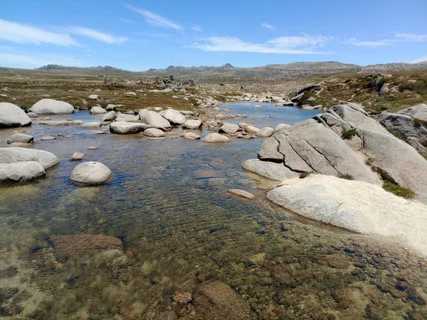


Forests and Wildlife of East Gippsland
The Snowy River region lies within East Gippsland, one of Victoria’s most biologically rich forest landscapes. The forests and surrounding environments support more than 900 native plant species, with over 100 considered rare or threatened within Victoria. The area also provides habitat for threatened wildlife including the brush-tailed rock-wallaby, long-footed potoroo and spotted-tailed quoll. The broader landscape contains forests, river systems and rugged terrain that conservationists believed should be permanently protected within a national park system.
The Campaign
As the Wilderness Society’s Melbourne branch expanded following the Franklin River movement, campaigners began working alongside other conservation groups to protect East Gippsland’s forests from logging. In 1988, a campaign began to establish a national park protecting the Snowy River region and surrounding forests. The movement built on growing momentum following the creation of Errinundra National Park and broader forest campaigns across Victoria. Campaigners developed national park proposals and worked to raise awareness of the ecological significance of the Snowy River forests. The Wilderness Society contributed grassroots organising and public advocacy alongside other conservation organisations involved in the campaign.
Protection Achieved
In 1992, approximately 54,000 hectares were protected through the establishment of the Snowy River and Forests National Park. The protection secured important habitat for threatened species and preserved significant areas of East Gippsland forest. The campaign also became part of the broader long-term movement to protect Victoria’s native forests.
Legacy
The Snowy River campaign helped strengthen momentum for forest conservation across East Gippsland and reinforced the growing role of national parks in protecting Victoria’s remaining old-growth forests and wildlife habitat. It also marked an important stage in the expansion of the Wilderness Society’s Victorian forest campaigns following the Franklin era.