



A Vast Temperate Wilderness
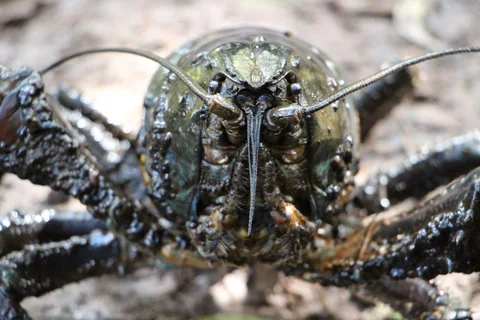
takayna / Tarkine spans rainforests, wild rivers, buttongrass plains, coastline and ancient landscapes across Tasmania’s north-west. It contains Australia’s largest remaining tract of cool temperate rainforest and supports more than 60 threatened species. Wildlife found in the region includes the Tasmanian giant freshwater crayfish, Tasmanian wedge-tailed eagle and the Tasmanian devil. The landscape also contains globally significant Aboriginal heritage. The takayna coast holds shell middens, rock carvings, hut depressions and other cultural sites connected to more than 40,000 years of Aboriginal occupation. Today, Tasmanian Aboriginal communities continue to maintain strong cultural connections to the region and advocate for protection, land justice and return of Country.
The Campaign Begins
In 1992, the Wilderness Society expanded its World Heritage agenda by formally proposing protection for the takayna / Tarkine wilderness. The following year, Federal Environment Minister John Faulkner raised concerns about Tasmania’s woodchip export licences after flying over threatened forests in the region. In 1994, Resources Minister David Beddall allowed most logging licences to proceed, triggering months of protests and national media attention. At the same time, the Tasmanian Government began constructing a new road through the heart of the Tarkine. The road campaign led to protests and dozens of arrests, although the road was ultimately completed by 1996.
Forest Agreements and Ongoing Threats
In 1997, the Tasmanian Regional Forest Agreement was signed by Prime Minister John Howard, shaping logging arrangements across Tasmania. Then during the 2004 federal election, Labor leader Mark Latham lost to John Howard, who later protected some parts of the Tarkine while abandoning protection commitments for other forests. Despite some conservation gains, less than five percent of takayna / Tarkine currently holds full national park protection. The region continues to face pressure from proposed open-cut mining, strip mining and exploration activity, with dozens of exploration licences issued across the landscape.
Building a Movement
The campaign to protect takayna / Tarkine has brought together Aboriginal groups, local communities, tourism operators, scientists, photographers and environmental activists. Young campaigners known as the “Tarkine Tigers” also became part of the movement defending the region. The Wilderness Society has continued advocating for permanent protection through World Heritage listing, conservation reserves and Aboriginal land recognition. Campaigners have also worked internationally through UNESCO and advisers to the World Heritage Committee to argue for the global significance of the Tarkine landscape.
Legacy
The takayna / Tarkine campaign remains one of Australia’s longest-running wilderness protection efforts. It continues to represent broader debates about mining, logging, Aboriginal heritage and the future of large intact ecosystems in Australia. As Bob Brown said:
“Takayna / Tarkine remains today a rare gem of natural intactness in a world where the destruction of wild nature is rampant and accelerating. It should also be one of the easiest in the world to protect.”