

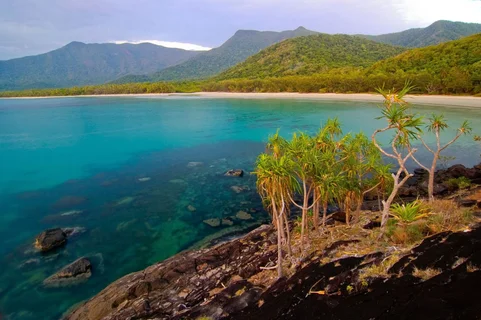


Across Queensland, vast tracts of bushland, woodland and forest continue to shelter an extraordinary diversity of life.
From the eucalyptus woodlands of the Brigalow Belt to the remnant forests of south-east Queensland and the savannahs of the north, these landscapes provide refuge for koalas, greater gliders, black-throated finches, glossy black-cockatoos and countless other species that depend on intact habitat to survive.
Many of these ecosystems appear resilient from a distance. But beneath the canopy, a quiet crisis is unfolding.
Queensland has consistently recorded some of the highest rates of land clearing in Australia. Millions of hectares of bushland have been bulldozed over recent decades, much of it to expand grazing, agriculture and associated development. The result is a fragmented landscape where wildlife populations are isolated, soils are degraded, waterways are polluted and vast quantities of stored carbon are released into the atmosphere.
For First Nations peoples, these forests and bushlands are living cultural landscapes cared for over tens of thousands of years. They hold stories, sacred sites and deep ecological knowledge that continues to guide the stewardship of Country.
These habitats are more than wildlife refuges. They are essential climate infrastructure. Queensland’s remaining forests and bushlands store carbon, regulate water cycles, reduce erosion and provide the connected habitat that species need to adapt to a changing climate. They are also the frontline in the fight to prevent further extinctions.
Yet the pressure continues. Weak environmental laws, ongoing clearing approvals and the cumulative effects of drought, fire and climate change are placing enormous strain on ecosystems that have already been heavily reduced.
What Is at Risk
Queensland’s forests and bushlands are home to many species already in decline, including koalas, greater gliders and numerous woodland birds.
These ecosystems also protect soil, water and climate by storing carbon and maintaining landscape resilience.
When native vegetation is cleared, wildlife loses habitat, ecosystems become fragmented and significant carbon emissions are released.
Species that have survived for millions of years can be pushed rapidly toward extinction.
Without stronger protections, Queensland risks losing much of the remaining habitat that still sustains life.
The Campaign
The Wilderness Society is working to stop land clearing and secure stronger protections for Queensland’s remaining forests and bushland.
Working alongside Traditional Owners, scientists, community groups and supporters, the campaign combines satellite monitoring, scientific analysis, public advocacy and political pressure to expose habitat destruction and push for stronger laws.
The goal is to ensure that Queensland’s remaining bushland is recognised for what it truly is: a vital refuge for wildlife, a powerful natural climate solution and an irreplaceable part of Australia’s living world.
Because what remains still holds life. And what remains must be protected.