



A Coastal Community Under Threat
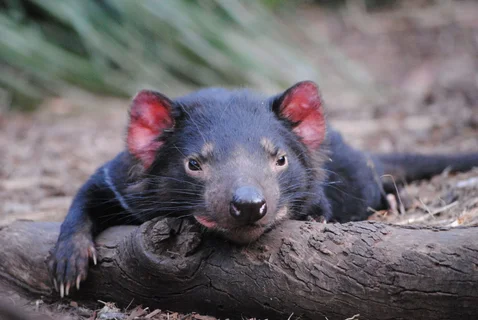
Wesley Vale sits in north-west Tasmania near Devonport, surrounded by productive agricultural land, coastal environments and forests adjoining parts of the Tasmanian Wilderness World Heritage Area. The surrounding region contains ancient rainforests, alpine heathlands and habitat for wildlife including wombats, Tasmanian devils and pademelons. Offshore, Bass Strait supports rich marine ecosystems including kelp forests, sponge gardens and seagrass meadows, alongside species such as little blue penguins, fur seals, humpback whales and Cape Barren geese. By the late 1980s, woodchipping in Tasmania was increasing dramatically, and plans emerged for a new pulp mill at Wesley Vale.
The Campaign
The proposed mill quickly sparked opposition from local residents and environmental groups concerned about its impact on forests, farmland and marine ecosystems. Local dairy farmers became central figures in the campaign, alongside conservationists and community organisers. Christine Milne, whose family farmed in Wesley Vale, became one of the campaign’s leading voices. After becoming involved in environmental activism during the Franklin River campaign—including being arrested during protests in 1983—Milne played a major role in organising opposition to the pulp mill proposal. The Wilderness Society helped organise public demonstrations opposing the development, while local communities mobilised to challenge the project politically and publicly.
The Turning Point
In March 1989, the Bob Hawke Government announced tougher environmental conditions for the proposed mill. The new requirements proved too much for the project’s international backers, who withdrew their support. Without financial backing, the Wesley Vale pulp mill proposal collapsed. The outcome was widely regarded as a major victory for both the Wilderness Society and the local Wesley Vale community.
Legacy
The Wesley Vale campaign became about more than stopping a pulp mill. For many involved, it represented a broader fight over environmental protection, political power and community voices in Tasmania. The campaign also helped shape a new generation of environmental leadership in the state. Following the campaign, Christine Milne entered politics and later became leader of the Tasmanian Greens in 1993. As she later reflected in An Activist Life:
“The Wesley Vale campaign was started to save a community from the environmental impacts of a pulp mill (which converts native forests to woodchips and into pulp for making paper), but it rapidly morphed into a campaign to restore democracy and give the people a voice. That was its power.”